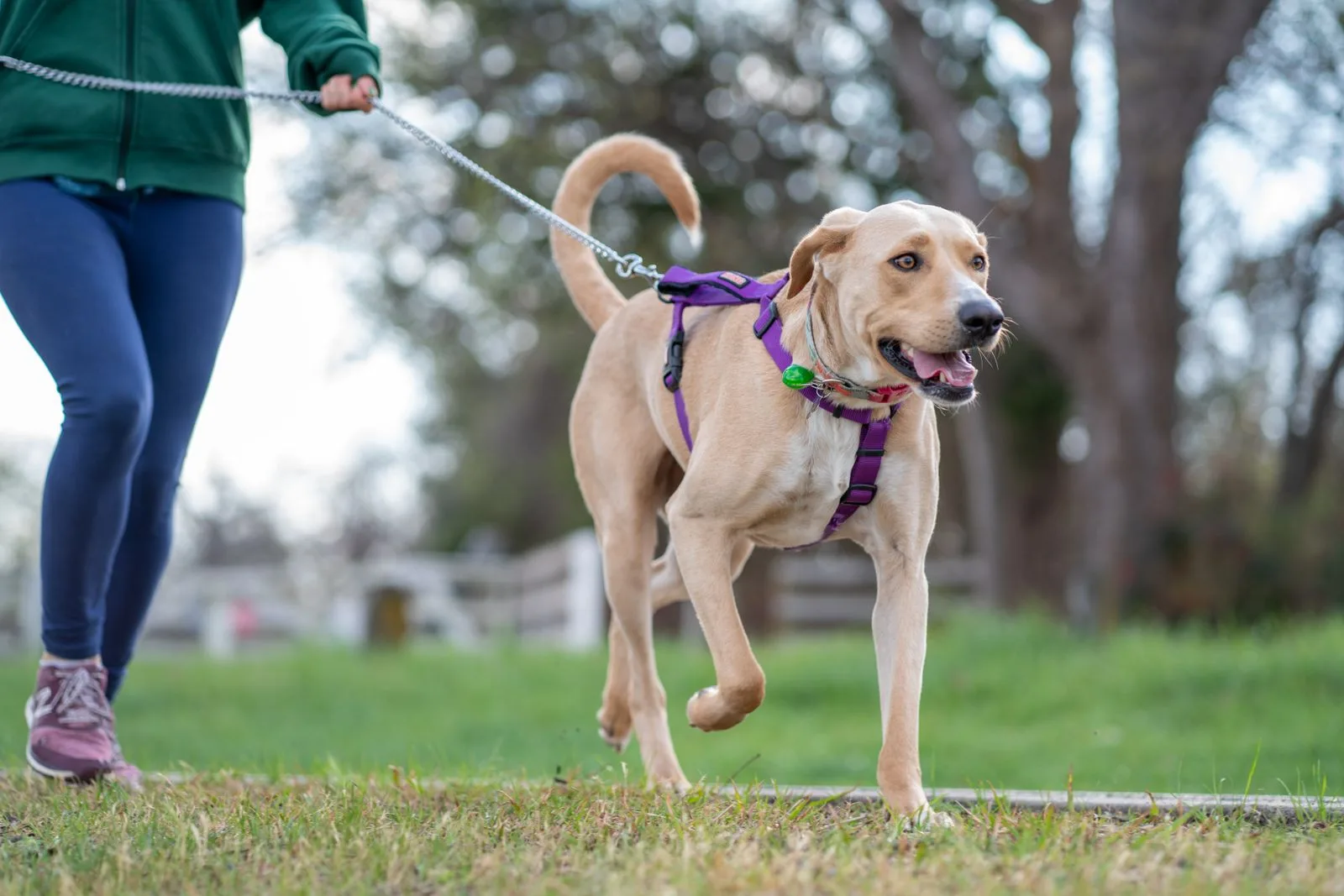
Some treatment programs allow dogs, but “pet-friendly” does not mean every animal, room or level of care is approved. In Austin, Recovery Unplugged publishes a dog-admission policy with health and temperament requirements. Before traveling, confirm approval for the exact program, where the dog stays, who handles care during sessions and what you will pay. Keep a backup caregiver even when bringing the dog is the preferred plan. [1]
What Recovery Unplugged publishes about Austin
RU’s Austin pet-policy article, updated July 8, 2026 and checked for this guide September 30, says dogs undergo temperament screening and need current health records. It describes requirements concerning house training, aggression and spaying or neutering, and says room arrangements depend on the level of care and current occupancy. [1]
The same page assigns the owner the costs of food, supplies and veterinary care. It describes restrictions around dining areas and says dogs stay in a designated space during treatment sessions. These are the provider’s published statements, not our confirmation that a particular dog or room has been approved. Obtain the current written policy and discuss veterinary requirements with your veterinarian. [1]
Get two clear admission answers
Ask the clinical team whether the proposed program is appropriate and the admissions team whether your dog is approved for that exact arrangement. Do not treat an encouraging answer about pets as a clinical acceptance, or a clinical admission as permission to arrive with an animal.
Describe the dog accurately: size, age, behavior around unfamiliar people and animals, time it can spend apart from you, medications and any care requirements. A practical answer is easier when the team knows what an ordinary day involves. Do not omit a behavior concern to speed up admission; it can become much harder to resolve after travel.
Save the written confirmation with the site address, arrival date and person who supplied it. If the program or arrival date changes, ask whether the pet approval still applies.
- Is this approval for my dog and my specific level of care?
- Which records are required, where should I send them and who confirms receipt?
- What costs, deposits or restrictions remain to be confirmed?
Resolve the hours when you cannot look after the dog
The most important daily question is who is responsible while you attend sessions. A designated space is not the same as a named person who feeds, walks or supervises the animal. Ask how care is arranged during groups, appointments, meals and activities away from the residence.
Make a simple timetable showing feeding, walking, medication and settling time around the treatment schedule. Then identify any overlap. If a group runs across the dog’s usual walk, who covers it? If the animal becomes distressed while alone, whom does staff contact? Resolve that gap with the program before relying on the arrangement.
The worksheet below is an editorial planning tool. It does not represent a staff pet-sitting service, and it should not be filled with assumptions about duties the program has not accepted.
| Time or event | Person responsible | Detail to confirm |
|---|---|---|
| Morning feeding and walk | Name agreed with the program | Timing before the first required session |
| Group or individual appointment | Name or arrangement | Where the dog stays and how problems are handled |
| Medication or veterinary need | Owner and backup contact | Written veterinary instructions and permission process |
| Meals and shared areas | Owner | Where the animal can be and any restrictions |
| Unexpected transfer or absence | Backup caregiver | Collection, transport, access to supplies and costs |
Prepare records and supplies without guessing medical requirements
Ask the program for its current packing list and ask your veterinarian about health records and medication instructions. Keep the vet’s contact information, written care directions and emergency contact accessible to the person who may need them.
For ordinary supplies, think through the daily routine: usual food, bowls, leash, identification, waste bags, bedding and any approved carrier or crate. Check whether the program has limits on storage or equipment. Plan how supplies will be replenished if the stay changes.
Do not copy a vaccine schedule from a general article and treat it as medical advice for your dog. The veterinary decision and the facility’s documentation requirement are related but different matters. Have the veterinarian and admissions team resolve what is needed.
Have a backup that does not depend on an unconfirmed placement
Choose a person or service who could care for the dog if admission is delayed, the animal cannot remain onsite or you need a different treatment setting. Discuss collection, length of care, food, medication, veterinary decisions and payment in advance. A name in a phone is not a complete arrangement unless that person has agreed.
Austin Pets Alive!’s PASS program provides resources to Texas residents facing difficulties keeping their animals, with the aim of avoiding shelter entry. It is a useful resource inquiry when you do not have an obvious option. Its general description does not guarantee temporary boarding, a foster vacancy, free services or acceptance of a particular animal. [2]
When asking any organization for help, explain that you are seeking temporary care and intend to keep ownership. Ask the organization to explain the terms of any arrangement before signing. Temporary care, rehoming and surrender are different decisions.
Pets, emotional-support animals and service animals are different questions
The US Department of Justice explains that ADA service animals are dogs trained to perform disability-related work or tasks. Comfort from an animal’s presence alone does not meet that definition. The guidance also explains access rules and exceptions; the answer is more specific than saying every animal must be allowed everywhere. [3]
If your request involves a service animal or disability accommodation, describe that to the program and ask for the appropriate accommodation contact. Do not assume the ordinary pet policy completely resolves the question. This guide does not decide the application of disability law to an individual clinical or housing arrangement.
Compare the whole program, not only the pet policy
A workable dog-care arrangement can remove an important practical obstacle. It does not establish which treatment a person needs or prove better clinical outcomes. Keep asking about the assessment, staff, schedule, medication support, insurance and continuing care.
In a fictional comparison, one program approves a dog but cannot yet explain care during required sessions; another offers appropriate care but requires a temporary caregiver at home. The next step is to resolve the missing arrangements with the clinical and admissions teams, not to choose solely from the word “pet-friendly.”
Leave with a clinical next step, a specific animal-care answer and a backup contact. Those three pieces make the plan more usable than a general promise that pets are welcome.
Your planning record
Use this editorial worksheet to keep confirmed details separate from questions still awaiting an answer.
| Decision | Confirmed detail | Still to resolve |
|---|---|---|
| Program and dog approval | Site, service, animal, arrival date, confirming person | Any remaining screening |
| Health and records | Vet contact and records requested | Receipt and acceptance |
| Daily care | Named responsibilities during sessions | Uncovered time blocks |
| Costs | Food, supplies, vet care and any program fees | Written amounts or estimates |
| Backup | Agreed caregiver and collection plan | Duration, permissions and payment |
| Changes | Who to contact if treatment or timing changes | Whether approval must be updated |
For the wider local picture, return to our Austin care guide. For the shared preparation steps, read what to ask before choosing a treatment program.
More from Austin

The time and transit cost of recurring care in Austin
How do you build a realistic weekly appointment budget using CapMetro?

Which public mental-health authority serves your Austin-area county?
Does the same public authority serve Travis, Williamson, Bastrop and Hays?
Sources and scope
Based on the published sources below, with original planning tools and clearly labeled illustrative calculations. Hours, services and prices can change; the receiving organization determines current availability, eligibility and personal costs.
No named clinician has reviewed this guide. It provides general information about care and service navigation, not an individual treatment recommendation. Source checks are editorial checks, not clinical review.
- Recovery Unplugged: Austin pet policy · Provider description · Checked .
- Austin Pets Alive!: PASS assistance · Organization’s service information · Checked .
- US Department of Justice: service-animal requirements · Public-agency guidance · Checked .
Worksheets are planning aids, not clinical assessments. Our source and correction standards.